Selective Nerve Root Injections
An image-guided selective nerve root injection may provide diagnostic information or temporary symptom reduction for selected radicular pain; response is unpredictable and risks can be serious.
Contents6 sections
What it is and why it may be offered
A nerve root leaves the spinal cord and continues towards an arm or leg. Irritation from a disc prolapse, spinal narrowing or another cause can produce pain, numbness or tingling radiating from the neck into an arm or from the back into a leg. A selective injection places local anaesthetic and often corticosteroid near the suspected root. It aims to assess that root's contribution and, in some people, temporarily reduce inflammation-related pain.
MRI findings, symptom distribution and neurological examination are interpreted together; a disc change on imaging alone is not an indication for injection. The procedure does not mechanically shrink a disc and cannot guarantee that the body will make it regress. It must not delay urgent surgical assessment for progressive weakness, inability to walk, spinal cord compression or suspected cauda equina syndrome.
When it may be considered
It may be discussed for persistent arm or leg radicular pain matching clinical findings and imaging, when there is no emergency surgical feature and less invasive options have not been sufficient. In some situations it is used diagnostically to help determine which of several possible spinal levels contributes to symptoms.
The likelihood of benefit differs for local neck or back pain alone, unexplained widespread symptoms, or imaging that does not match the clinical pattern. Alternatives can include time and monitoring, activity modification, physiotherapy, appropriate medication and selected surgical opinion. Choice should reflect personal goals and preferences.
Fluoroscopy, contrast and the procedure
The skin is cleaned with antiseptic and local anaesthetic is used. Fluoroscopy, or live X-ray imaging, guides a needle towards the target. A small amount of contrast may help assess needle position and spread before medicine is given. The skin injection and deeper needle can cause stinging, pressure, burning, transient radiating pain or other discomfort; a painless procedure cannot be promised.
Fluoroscopy supports accuracy but cannot eliminate risk. It uses ionising radiation, so the team aims for the lowest acceptable dose and shortest necessary time. Report pregnancy or possible pregnancy beforehand. Iodinated contrast can cause an allergic reaction; discuss previous reactions, significant kidney disease and allergies. Contrast does not absolutely prove that no medicine can enter a blood vessel.
Benefit, duration and follow-up
Local anaesthetic can cause a short-lived change, while any steroid effect may start later. Some people improve, some have a temporary flare and some may not benefit at all. Gloucestershire Hospitals' patient information states that improvement is difficult to predict and the injection may make no difference to pain. A pain diary and change in function help interpret response.
The injection is neither a guaranteed permanent solution nor a certain alternative to surgery. If relief occurs, it may make graded activity and rehabilitation easier. Driving and activity restrictions vary by service; follow the treating team's instructions and arrange an escort if required.
Risks and urgent symptoms
Risks include temporary pain increase, headache, injection-site pain or bruising, bleeding, infection, nerve irritation, temporary numbness or weakness, and allergic reaction to contrast, local anaesthetic or steroid. Steroid may raise blood glucose. Permanent nerve injury and other severe neurological complications are rare but possible, with risk affected by spinal level and approach. Individual consent should explain relevant risks.
Report anticoagulants, diabetes, infection, allergies and possible pregnancy before the procedure; do not stop medicine without a specific plan. New or increasing weakness, saddle numbness, loss of bladder or bowel control, fever, discharge, severe headache, breathing difficulty or swelling of the face or tongue needs urgent or emergency assessment.
References
- Nerve root injections (opens in a new tab) — Gloucestershire Hospitals NHS Foundation Trust
- A guide to your spinal injection (opens in a new tab) — Northern Care Alliance NHS Foundation Trust
- Medical X-ray imaging (opens in a new tab) — U.S. Food and Drug Administration
KEEP READING
Related guides

Peripheral Nerve Disorders Guide
A guide to sensory, motor, and autonomic nerve patterns, common causes, diagnostic tools including EMG, and treatment principles.
Read guide: Peripheral Nerve Disorders Guide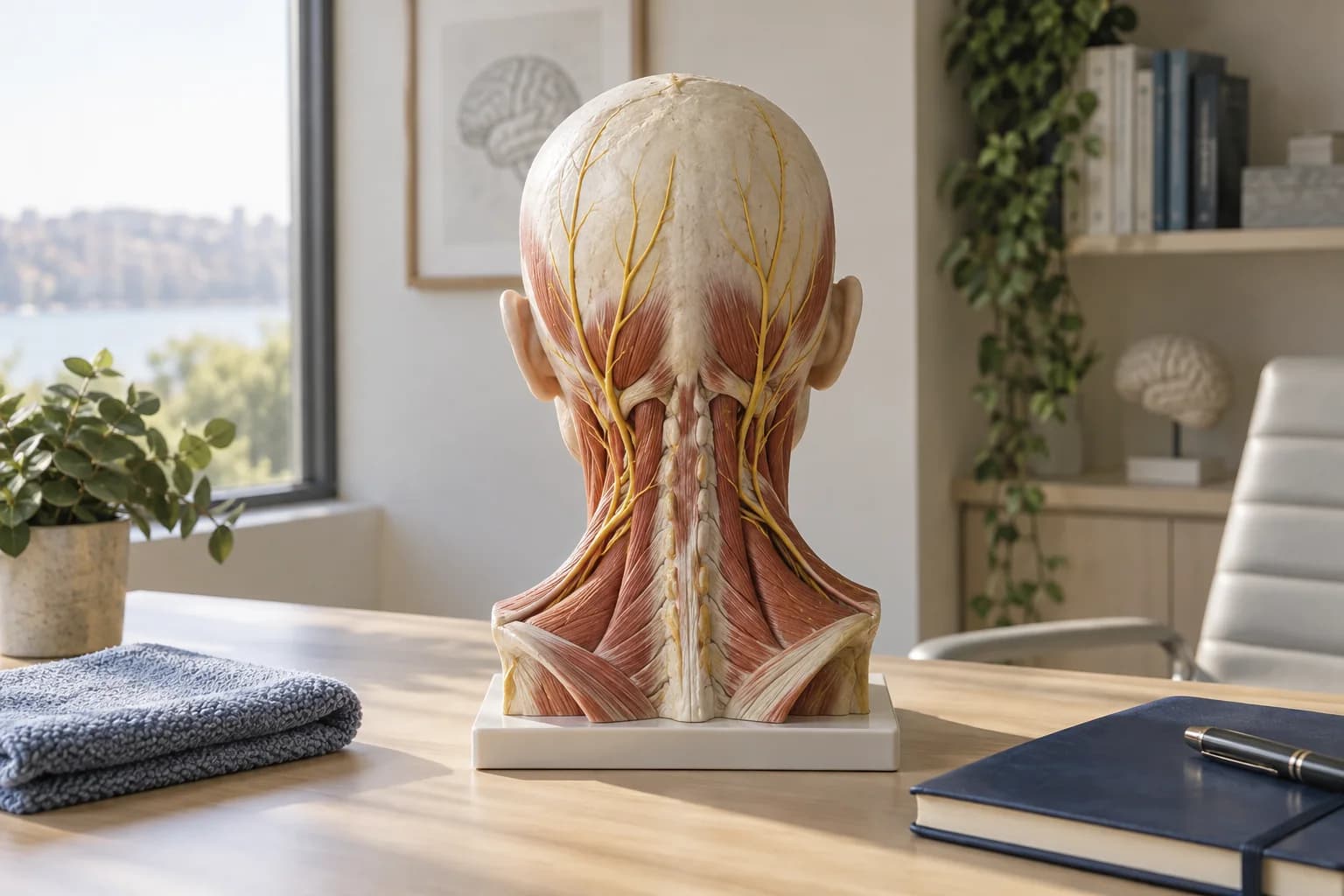
Peripheral Nerve Blocks for Headache
Injections around the occipital, supraorbital or supratrochlear nerves may offer temporary relief for selected headache disorders; suitability, drug choice, uncertain benefit and risks need individual discussion.
Read guide: Peripheral Nerve Blocks for Headache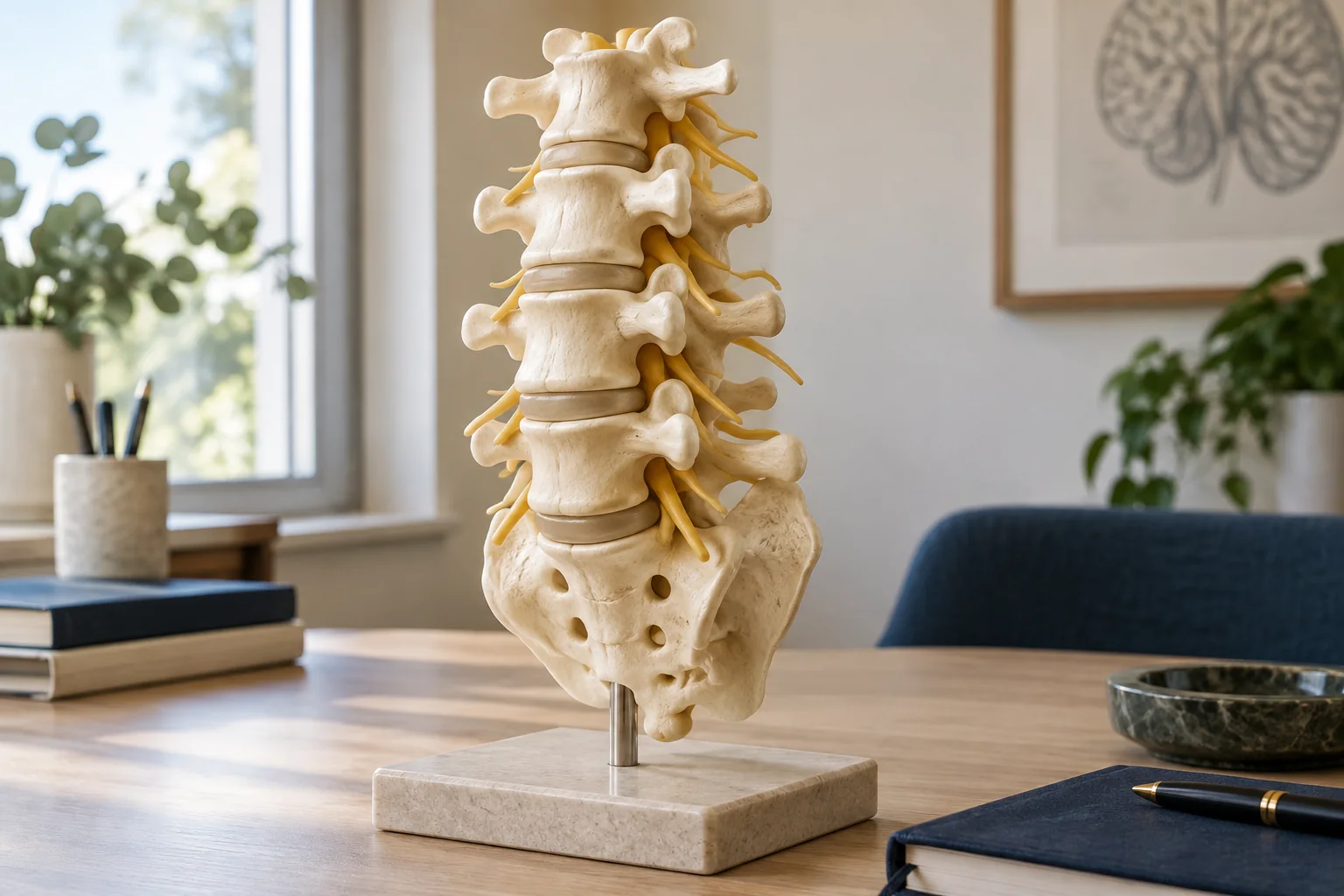
Facet-Related Pain and Medial Branch Blocks
A medial branch block is a temporary diagnostic procedure used in selected chronic low back pain to assess whether facet joints may contribute; it is not definitive proof and may provide no benefit.
Read guide: Facet-Related Pain and Medial Branch Blocks